In today’s fast-growing industrial world, BENDING MACHINERY in Vadodara, Gujarat, India, plays a crucial role in metal fabrication and manufacturing industries. From construction projects to automotive components, from infrastructure to heavy engineering, bending machines are the backbone of precision metal shaping.
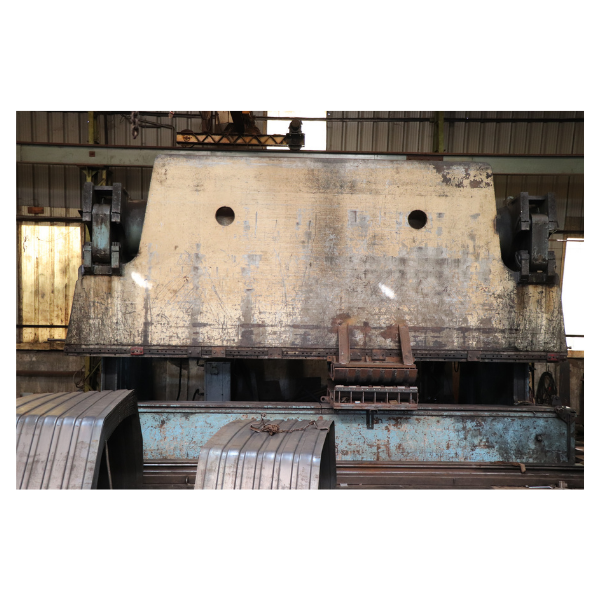
If you are looking for reliable, high-performance, and industrial-grade bending machinery, Kirtieng Engineering is a trusted name known for innovation, durability, and precision-driven engineering solutions.
Let’s understand everything about bending machinery in detail.
What Is a Bending Machine?
A bending machine is an industrial piece of equipment used to bend metal sheets, pipes, rods, or plates into desired shapes and angles without breaking or damaging the material. The process involves applying force to reshape metal while maintaining structural integrity.
Bending machinery is widely used in:
- Construction industry
- Automotive manufacturing
- Aerospace components
- Furniture production
- Electrical panel fabrication
- Industrial equipment manufacturing
Modern bending machinery combines mechanical precision, hydraulic power, and advanced control systems to deliver accurate and repeatable results.
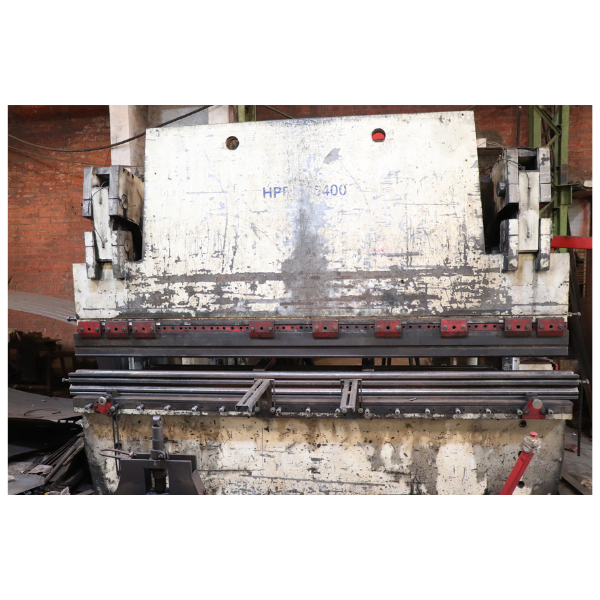
What Are the Functions of a Bending Machine?
The main function of bending machinery is to reshape metal materials into required angles or curves. However, advanced machines perform multiple operations such as:
- Angle bending
- U-shape and V-shape bending
- Tube and pipe forming
- Sheet folding
- Plate rolling
- Precision contour shaping
At Kirtieng Engineering, bending machinery is designed to ensure:
✔ High precision
✔ Minimal material wastage
✔ Smooth surface finish
✔ Accurate angle formation
✔ Long operational life
This makes it ideal for industries demanding high-quality fabrication standards.
Click here: Screw Conveyor Manufacturing In Gujarat
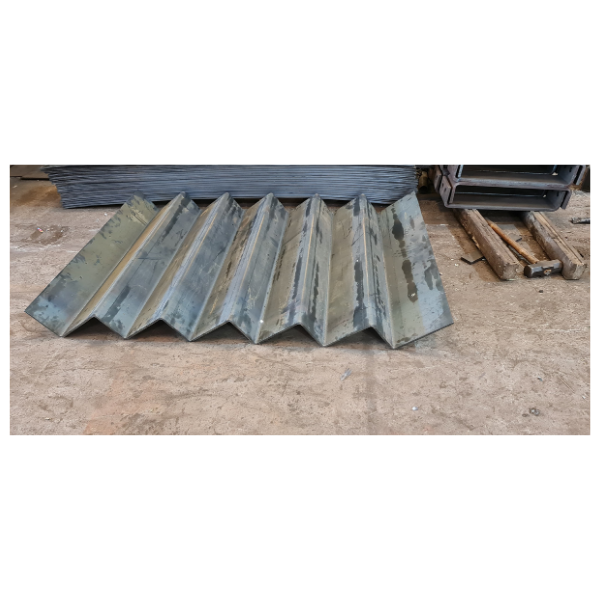
What Are the Main Components and Structure of the Bending Machine?
Understanding components helps in choosing the right machinery.
1. Bend Die
The bend die determines the shape and angle of the bend. It supports the metal while force is applied. The quality of the bend die directly impacts final output accuracy.
2. Clamp Die
The clamp die holds the material tightly in place during the bending process. This prevents slipping and ensures consistent results.
3. Pressure Die
The pressure die applies force to push the material against the bend die, helping in forming smooth curves.
4. Wiper Die
The wiper die prevents wrinkles and distortions, especially in thin-wall pipes and tubes. It improves surface quality.
5. Mandrel
The mandrel is inserted inside pipes or tubes during bending to maintain the internal diameter and prevent collapse.
All these components work together to deliver high-precision bending results. Kirtieng Engineering manufactures bending machinery with premium-grade components, ensuring durability and performance
Click here: BENDING MACHINERY
What Are the Different Types of Bending Machines?
Different industries require different bending solutions. Let’s explore the major types:
1. Pipe Bending Machine
Used for bending pipes and tubes into various angles and curves.
Applications include:
- Plumbing systems
- Automotive exhaust systems
- Structural frameworks
- Industrial piping
Pipe-bending machines ensure smooth bends without cracks or wrinkles.
2. Sheet Metal Bending Machine
Used to bend metal sheets into required shapes for:
- Electrical panels
- Cabinets
- Enclosures
- Furniture frames
These machines provide precise angle control and clean finishing.
3. Plate Rolling Machine
This machine rolls metal plates into cylindrical or curved shapes. Commonly used in:
- Storage tanks
- Boilers
- Pressure vessels
- Industrial containers
4. Press Brake
A press brake is one of the most widely used bending machinery systems. It uses punch and die to bend sheet metal.
Types of press brakes:
- Mechanical Press Brake
- Hydraulic Press Brake
5. Mechanical Bending Machine
Uses a mechanical flywheel and clutch system.
Best for high-speed production with repetitive bending operations.
6. Hydraulic Press Brake
A highly advanced and powerful bending machinery system.
Benefits:
- Higher accuracy
- Greater bending force
- Suitable for thicker materials
- Smooth and controlled operations
Kirtieng Engineering offers heavy-duty hydraulic bending machinery engineered for industrial-grade performance.
7. Hydraulic Bending Machine
Hydraulic systems provide uniform pressure, better control, and reduced vibration, making them ideal for precision industries.
Click here: Screw Conveyor Manufacturing in Vadodara
What Are the Advantages of a Bending Machine?
Modern BENDING MACHINERY offers multiple advantages:
1. Increased Efficiency
Automated systems reduce manual effort and speed up production.
2. Cost-Effective Solution
Less material waste, fewer errors, and faster processing reduce overall manufacturing costs.
3. Versatility
Can bend different metals like:
- Mild Steel
- Stainless Steel
- Aluminum
- Copper
4. Consistent Results
Advanced CNC and hydraulic control systems ensure uniform output.
5. Improved Safety Measures
Modern bending machinery includes safety guards, emergency stops, and automation features.
At Kirtieng Engineering, machines are designed with strong safety and durability standards, ensuring long-term performance and operator safety.
Click here: Screw Conveyor Manufacturing In India
What Are the Different Forms of Metal Bending?
Different bending techniques are used depending on the application:
1. Air Bending
Material is bent using a punch without fully pressing into the die. Flexible and widely used.
2. Bottoming
The sheet is pressed fully into the die for precise angle formation.
3. Coining
High pressure is applied to create extremely accurate bends.
4. Three-Point Bending
Force is applied at three points to create controlled bends.
5. Folding
Used for large sheets where bending is done progressively.
6. Rotary Draw Bending
Used for pipes and tubes with tight radius requirements.
7. Compression Bending
Simple and cost-effective pipe bending method.
8. Elastomer Bending
Uses a rubber pad to create smooth bends without marks.
Each bending method requires the right machinery configuration. That’s where Kirtieng Engineering stands out with customized bending machinery solutions.
Why Choose Kirtieng Engineering for Bending Machinery?
When investing in industrial equipment, quality matters.
Kirtieng Engineering offers:
✔ Robust machine structure
✔ High precision engineering
✔ Long service life
✔ Energy-efficient systems
✔ Custom-built solutions
✔ After-sales support
✔ Competitive pricing
With years of engineering excellence, Kirtieng Engineering has built a strong reputation in the industrial machinery sector.
Explore more at: https://kirtieng.com/
FAQs
1. What is bending machinery used for?
Bending machinery is used to reshape metal sheets, pipes, and plates into desired angles and curves.
2. What is the difference between a press brake and a bending machine?
A press brake is a specific type of bending machinery mainly used for sheet metal bending.
3. Which bending machine is best for industrial use?
Hydraulic press brakes are best for heavy-duty industrial applications.
4. Can bending machinery work with stainless steel?
Yes, modern bending machinery can bend stainless steel, aluminum, and other metals.
5. What factors affect bending accuracy?
Machine quality, die precision, material thickness, and operator control affect accuracy.
6. What is mandrel bending?
Mandrel bending uses an internal support tool to prevent pipe collapse during bending.
7. Is hydraulic bending machine better than mechanical?
Hydraulic machines provide better control and precision for thicker materials.
8. How long does bending machinery last?
With proper maintenance, high-quality machines can last 15–20 years or more.
9. Is bending machinery suitable for mass production?
Yes, especially CNC and hydraulic systems are ideal for mass production.
10. Why choose Kirtieng Engineering for bending machinery?
Kirtieng Engineering offers durable, high-performance, and customized bending machinery backed by engineering expertise.