
Table of Contents
- Introduction
- Understanding High-Grade Metals
- Why Material Quality Matters
- Key Features of High-Grade Metals
- Benefits of Using Premium Materials
- Common Industrial Metals and Their Uses
- Material Comparison Table
- Applications in Industrial Engineering
- Best Practices for Material Selection
- Frequently Asked Questions
- Conclusion
Introduction
Industrial equipment and fabricated structures operate under challenging conditions, including pressure, temperature variations, heavy loads, and environmental exposure. Industrial Engineering: To ensure reliable performance, manufacturers must use materials that meet these demands.
Explore the importance of Industrial Engineering and high-grade metals in manufacturing. Learn how quality materials improve durability, performance, reliability, and long-term operational efficiency.
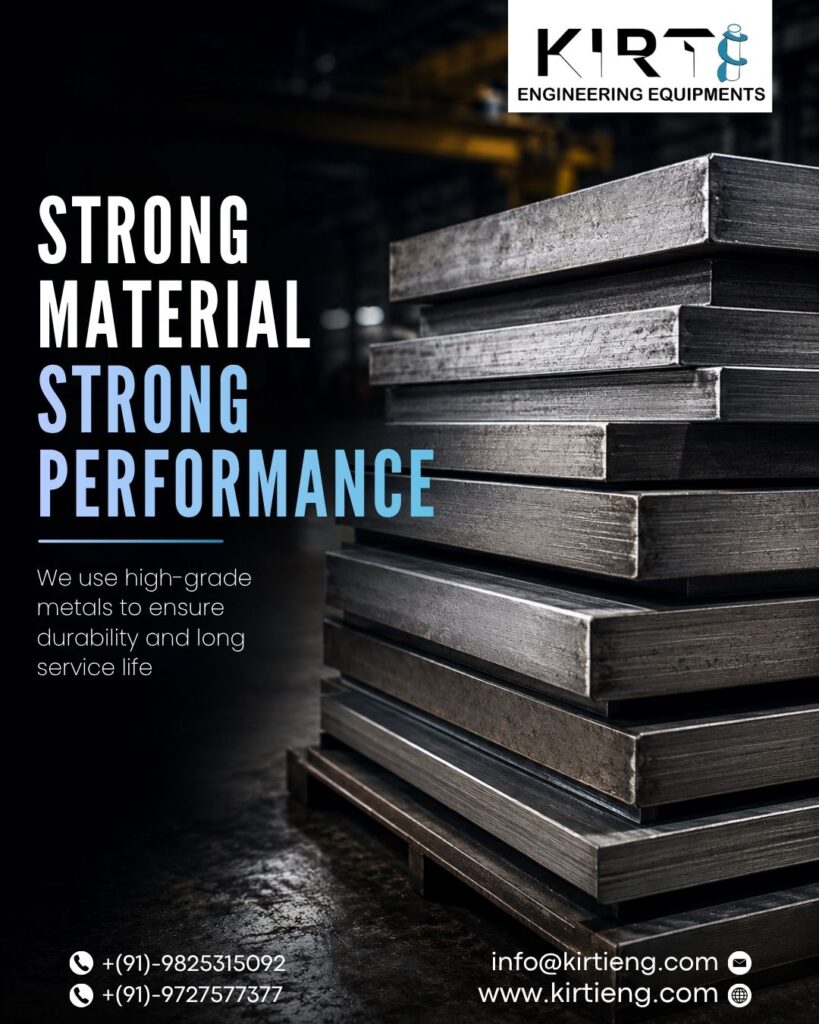
kirtieng High-grade metals offer superior strength, durability, and resistance to wear compared to lower-quality alternatives. Industrial Engineering These characteristics make them ideal for engineering applications where performance and longevity are critical.
Check this :- https://steel.gov.in/
As industries continue to prioritize efficiency and reliability, the importance of material quality has become greater than ever.
Understanding High-Grade Metals
Industrial Engineering: High-grade metals are materials that meet stringent manufacturing and quality standards. These metals are engineered to provide enhanced mechanical properties, improved durability, and consistent performance across a wide range of industrial applications.
Examples include:
Stainless Steel
Known for its corrosion resistance and long-term durability.
Mild Steel
Offers excellent strength and versatility for fabrication projects.
Alloy Steel
Provides enhanced toughness and wear resistance.
Aluminum
Combines lightweight properties with excellent corrosion resistance.
Copper
Widely used for applications requiring superior conductivity.
Why Material Quality Matters
Improves Structural Strength
Industrial Engineering: High-quality metals provide better load-bearing capabilities and structural stability.
Enhances Product Reliability
Strong materials help equipment perform consistently under demanding conditions.
Increases Service Life
Premium metals resist wear, corrosion, and environmental damage, extending operational lifespan.
Reduces Maintenance Costs
Durable materials require fewer repairs and replacements over time.
Improves Safety
Reliable materials reduce the risk of component failure and operational disruptions.
Key Features of High-Grade Metals
Exceptional Strength
Capable of handling heavy industrial loads and mechanical stress.
Corrosion Resistance
Protects equipment from rust, moisture, and harsh environments.
Thermal Stability
Maintains performance under varying temperatures.
Wear Resistance
Reduces damage caused by continuous operation and friction.
Dimensional Accuracy
Supports precision engineering and fabrication requirements.
Long-Term Durability
Ensures dependable performance throughout the product lifecycle.
Benefits of Using Premium Materials
| Benefit | Description |
|---|---|
| Enhanced Durability | Extends equipment lifespan |
| Better Performance | Supports efficient operations |
| Lower Maintenance Costs | Minimizes repair requirements |
| Improved Safety | Reduces operational risks |
| Increased Reliability | Ensures consistent functionality |
| Corrosion Protection | Resists environmental damage |
| Higher Productivity | Reduces downtime |
| Better ROI | Maximizes long-term value |
Common Industrial Metals and Their Uses
| Metal Type | Industrial Application |
|---|---|
| Stainless Steel | Chemical plants, food processing equipment |
| Mild Steel | Structural fabrication and machinery |
| Alloy Steel | Heavy-duty engineering components |
| Aluminum | Lightweight industrial structures |
| Copper | Electrical and thermal applications |
| Brass | Valves, fittings, and precision parts |
Applications in Industrial Engineering
Industrial Equipment Manufacturing
Industrial Engineering: Used in machinery, fabrication projects, and engineered systems.
Power Generation
Supports reliable operation of power plant components.
Construction and Infrastructure
Provides structural strength and durability.
Chemical Processing Industries
Offers resistance to corrosive substances and harsh environments.
Metal Fabrication
Ensures precision and long-lasting performance in fabricated products.
Manufacturing Plants
Supports equipment that operates continuously under demanding conditions.
Best Practices for Material Selection
Analyze Operational Requirements
Select materials based on environmental and performance conditions.
Verify Material Standards
Ensure compliance with recognized industrial specifications.
Consider Corrosion Resistance
Choose metals suited for exposure to moisture and chemicals.
Focus on Lifecycle Cost
Evaluate long-term performance rather than initial purchase cost.
Partner with Trusted Manufacturers
Work with suppliers committed to quality and consistency.
Frequently Asked Questions (FAQs)
What are high-grade metals?
High-grade metals are premium-quality materials manufactured to meet strict performance and quality standards.
Why are high-grade metals important in industrial engineering?
They provide superior durability, strength, reliability, and operational efficiency.
Which industries use high-grade metals?
Manufacturing, construction, power generation, chemical processing, automotive, and fabrication industries.
How do high-grade metals improve performance?
They resist wear, corrosion, and structural damage, ensuring consistent operation.
Can premium materials reduce maintenance costs?
Yes. High-quality materials experience less deterioration and require fewer repairs.
What is the most commonly used industrial metal?
Mild steel and stainless steel are among the most widely used industrial metals due to their versatility and strength.
Conclusion
The strength and performance of industrial products begin with the quality of the materials used in their construction. High-grade metals offer the durability, reliability, and mechanical properties required for modern engineering applications. By investing in premium materials, manufacturers can improve product quality, enhance operational efficiency, and reduce long-term maintenance costs.
Kirti Engineering Equipments remains committed to using high-grade metals that deliver exceptional strength, durability, and performance across a wide range of industrial solutions. This commitment ensures that every product meets the highest standards of engineering excellence and customer satisfaction.