Table of Contents
- Introduction
- What is Quality Control in Precision Engineering?
- Importance of Strict Quality Control
- Key Features of Effective Quality Control Systems
- Quality Inspection Process
- Benefits of Precision Quality Assurance
- Quality Control Standards and Compliance
- Industries That Require Strict Quality Control
- Best Practices for Manufacturing Excellence
- Frequently Asked Questions
- Conclusion
Introduction
In industrial manufacturing, even the smallest measurement deviation can affect the performance, safety, and reliability of a finished product. This is why quality control plays a critical role throughout the manufacturing process.
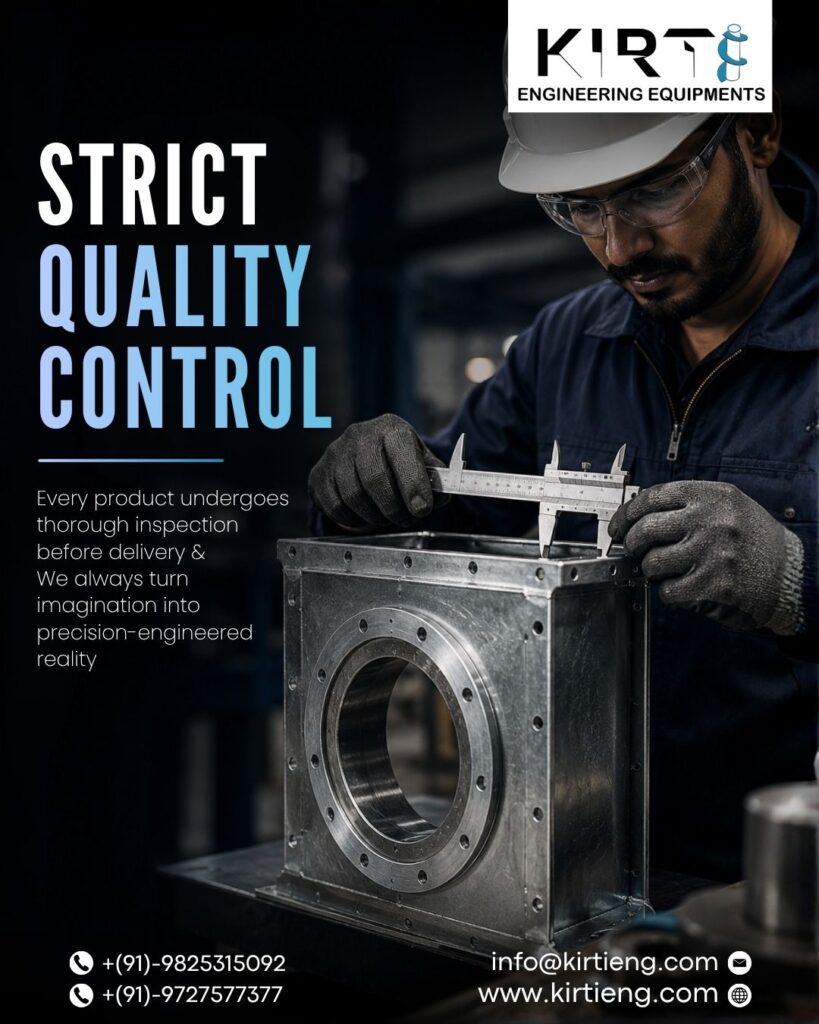
Kirtieng Strict quality control ensures that every product meets predefined specifications before reaching the customer. Through systematic inspections, testing procedures, and precision measurement techniques, manufacturers can maintain consistent product quality while minimizing errors and production defects.
As industries continue to demand higher accuracy and reliability, robust quality assurance systems have become an essential component of modern engineering operations.
What is Quality Control in Precision Engineering?
Quality control is a structured process used to verify that manufactured components meet required standards, specifications, and customer expectations.
It involves inspections, measurements, testing procedures, and documentation throughout the production cycle. The objective is to identify and correct potential issues before products are delivered to customers.
In precision engineering, quality control focuses on dimensional accuracy, material quality, functional performance, and overall product reliability.
Importance of Strict Quality Control
Ensures Product Accuracy
Quality inspections verify that every component matches the required dimensions and engineering specifications.
Reduces Manufacturing Defects
Continuous monitoring helps identify production issues early, reducing rework and waste.
Improves Customer Satisfaction
Consistent quality leads to reliable products that meet customer expectations.
Enhances Operational Reliability
Precision-manufactured components perform more efficiently and require less maintenance.
Supports Industry Compliance
Quality control ensures adherence to applicable industrial standards and regulations.
Key Features of Effective Quality Control Systems
Raw Material Inspection
Verification of material specifications before production begins.
Dimensional Accuracy Checks
Precise measurement tools ensure components meet required tolerances.
Process Monitoring
Continuous supervision during manufacturing helps maintain consistency.
Final Product Inspection
Comprehensive quality verification before shipment.
Documentation and Traceability
Detailed records support accountability and quality assurance.
Skilled Inspection Personnel
Experienced quality engineers ensure accurate evaluation and testing.
Quality Inspection Process
| Inspection Stage | Purpose |
|---|---|
| Raw Material Inspection | Verify material quality and specifications |
| In-Process Inspection | Monitor production accuracy |
| Dimensional Verification | Ensure measurement precision |
| Surface Quality Inspection | Check finish and appearance |
| Functional Testing | Validate performance requirements |
| Final Inspection | Confirm overall product quality |
| Documentation Review | Verify compliance records |
| Dispatch Approval | Authorize delivery after inspection |
Benefits of Precision Quality Assurance
| Benefit | Description |
|---|---|
| Higher Product Reliability | Ensures dependable performance |
| Improved Durability | Enhances product lifespan |
| Reduced Rework Costs | Minimizes manufacturing corrections |
| Better Customer Confidence | Builds trust through consistency |
| Increased Efficiency | Improves production effectiveness |
| Compliance Support | Meets industry requirements |
| Lower Warranty Claims | Reduces product-related issues |
| Competitive Advantage | Strengthens market reputation |
Quality Control Standards and Compliance
Manufacturers often implement recognized quality management systems to maintain consistent standards throughout production.
Common quality control areas include:
- Dimensional accuracy verification
- Material testing and validation
- Manufacturing process control
- Product performance testing
- Documentation management
- Continuous improvement programs
These practices help ensure that engineering products consistently meet customer and industry expectations.
Industries That Require Strict Quality Control
Industrial Equipment Manufacturing
Ensures machinery components perform safely and efficiently.
Automotive Industry
Requires precise tolerances for critical vehicle components.
Aerospace Engineering
Demands exceptional accuracy and reliability.
Energy and Power Generation
Ensures dependable operation of industrial equipment.
Pharmaceutical Manufacturing
Supports compliance and operational consistency.
Metal Fabrication Industry
Maintains dimensional precision and structural integrity.
Best Practices for Manufacturing Excellence
Use Advanced Measuring Instruments
Precision measuring tools improve inspection accuracy.
Train Quality Inspection Teams
Skilled personnel help maintain consistent quality standards.
Implement Continuous Monitoring
Regular inspections reduce production variability.
Maintain Detailed Documentation
Accurate records support traceability and compliance.
Focus on Continuous Improvement
Ongoing process optimization enhances manufacturing performance.
Frequently Asked Questions (FAQs)
What is strict quality control in manufacturing?
Strict quality control is a systematic inspection process used to ensure products meet specified quality standards before delivery.
Why is quality control important in precision engineering?
It ensures dimensional accuracy, reliability, safety, and overall product performance.
What tools are used for quality inspection?
Manufacturers use calipers, micrometers, coordinate measuring machines (CMM), gauges, and other precision instruments.
How does quality control reduce defects?
Regular inspections identify issues early, allowing corrective action before products are completed.
Which industries depend on strict quality control?
Automotive, aerospace, manufacturing, pharmaceuticals, energy, and metal fabrication industries all rely on robust quality assurance systems.
Can quality control improve customer satisfaction?
Yes. Consistent product quality increases reliability, performance, and customer confidence.
Conclusion
Strict quality control is essential for delivering precision-engineered products that meet the highest standards of accuracy, reliability, and performance. By implementing comprehensive inspection procedures throughout the manufacturing process, companies can minimize defects, improve operational efficiency, and ensure long-term customer satisfaction.
Check this:- https://www.bis.gov.in/
Kirti Engineering Equipments follows rigorous quality control practices to ensure every manufactured component meets exact specifications before delivery. Through precision inspection, advanced measurement techniques, and a commitment to engineering excellence, the company continues to deliver reliable industrial solutions that customers can trust.