High-Performance Impellers: The Key to Efficient Industrial Airflow
Industrial operations depend on reliable airflow systems to maintain productivity, equipment performance, and energy efficiency. High-Performance Impellers play a vital role in achieving these objectives by delivering consistent airflow, pressure, and operational reliability.
From manufacturing plants and chemical processing facilities to HVAC systems and power generation units, industries require components that can perform efficiently under demanding conditions. Advanced impeller designs help businesses optimize operations while reducing energy costs and maintenance requirements.
This article explores the features, benefits, applications, and selection criteria that make these engineered components an essential part of modern industrial systems.
Table of Contents
- What Are High-Performance Impellers?
- How Industrial Impellers Work
- Key Features
- Top Benefits
- Industrial Applications
- Selection Factors
- Maintenance Tips
- Why Choose Kirti Engineering?
- FAQs
- Conclusion
What Are High-Performance Impellers?
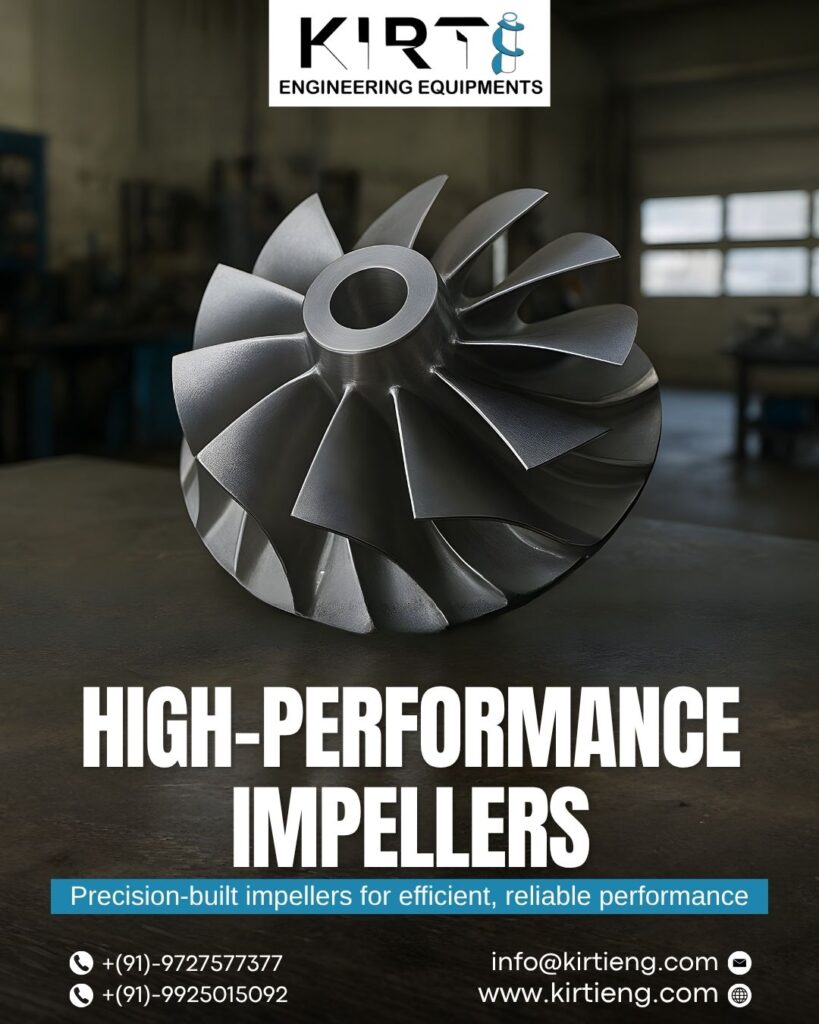
High-Performance Impellers are specially engineered rotating components designed to transfer energy and move air, gases, or fluids through industrial equipment. These components are commonly installed in blowers, fans, ventilation systems, and process machinery where efficiency and reliability are critical.
Unlike conventional alternatives, these advanced products feature optimized blade geometry and precision manufacturing that improve flow characteristics while minimizing energy losses.
Their ability to generate consistent airflow and pressure makes them suitable for a wide range of industrial applications.
How Industrial Impellers Work
An impeller functions by converting rotational energy from a motor into airflow or fluid movement. As the blades rotate, air or fluid is accelerated outward due to centrifugal force. This movement creates pressure and flow throughout the system.
Modern designs focus on:
- Improving airflow efficiency
- Reducing turbulence
- Increasing pressure generation
- Minimizing energy consumption
- Enhancing operational stability
These improvements help industrial facilities achieve higher productivity while keeping operating costs under control.
Key Features of High-Performance Impellers
Advanced Aerodynamic Design
Blade profiles are carefully engineered to maximize airflow while minimizing resistance. This results in improved system performance and lower power consumption.
Precision Manufacturing
Accurate manufacturing processes ensure balance, consistency, and reliable operation even under continuous industrial use.
Durable Construction
High-quality materials provide excellent resistance to wear, corrosion, and demanding environmental conditions.
Energy-Efficient Performance
One of the main reasons industries invest in High-Performance Impellers is their ability to deliver greater efficiency with less energy input.
Reduced Maintenance Requirements
Improved design and construction help minimize vibration and component wear, reducing maintenance frequency.
10 Powerful Benefits of High-Performance Impellers
1. Improved Energy Efficiency
Efficient airflow management reduces power consumption and lowers operating expenses over time.
2. Higher Airflow Capacity
Optimized blade geometry allows greater airflow without requiring additional energy.
3. Enhanced Pressure Generation
Industrial systems often require stable pressure levels, and properly engineered impellers help achieve consistent results.
4. Lower Operating Costs
Reduced energy usage and maintenance requirements contribute to significant cost savings.
5. Increased Equipment Lifespan
Balanced operation reduces stress on motors, bearings, and related equipment.
6. Better Process Reliability
Stable airflow supports uninterrupted industrial operations and consistent production output.
7. Reduced Vibration
Precision engineering minimizes vibration, helping protect surrounding equipment.
8. Lower Noise Levels
Improved aerodynamic performance often results in quieter operation.
9. Greater Productivity
Reliable airflow improves overall system effectiveness and operational efficiency.
10. Environmental Sustainability
Lower energy consumption helps organizations reduce their environmental impact and meet sustainability goals.
Applications of High-Performance Impellers
Manufacturing Facilities
Used in ventilation systems, dust collection units, and industrial blowers.
Chemical Processing Plants
Support airflow management and process control in demanding environments.
HVAC Systems
Improve air circulation, comfort, and energy efficiency in commercial and industrial buildings.
Power Generation
Assist cooling and ventilation processes required for efficient plant operation.
Cement Industry
Handle challenging conditions involving dust and abrasive particles.
Food Processing
Provide dependable airflow solutions while supporting cleanliness and operational efficiency.
Pharmaceutical Industry
Used in air handling and ventilation systems where controlled environments are essential.
Factors to Consider When Selecting Industrial Impellers
Choosing the right solution requires careful evaluation of operational requirements.
Airflow Requirements
Determine the required volume of air movement for the application.
Pressure Requirements
Different applications require varying pressure levels.
Material Selection
Materials should be selected based on operating conditions, temperature, and corrosion resistance needs.
Environmental Conditions
Consider humidity, dust, chemicals, and other environmental factors.
Energy Efficiency Goals
Selecting an efficient design can significantly reduce long-term operating expenses.
Equipment Compatibility
The impeller must match the specifications of the blower, fan, or ventilation system.
Maintenance Tips
Regular maintenance ensures consistent performance and longer service life.
Perform Routine Inspections
Check for wear, corrosion, or physical damage.
Maintain Proper Balance
Balanced operation reduces vibration and protects equipment.
Clean Components Regularly
Dust accumulation can negatively affect airflow performance.
Monitor Operating Conditions
Ensure equipment operates within recommended limits.
Replace Damaged Parts Promptly
Timely replacement prevents larger operational issues and costly downtime.
Why Choose Kirti Engineering?
Kirti Engineering provides engineered airflow solutions designed for industrial performance and reliability.
Key advantages include:
- Precision manufacturing
- Quality materials
- Custom engineering capabilities
- Reliable performance
- Competitive pricing
- Technical expertise
- Long product lifespan
Organizations seeking dependable airflow components can benefit from solutions tailored to their specific industrial requirements.
For additional industry information:
Frequently Asked Questions
What are High-Performance Impellers used for?
They are used to move air, gases, and fluids efficiently in industrial fans, blowers, and ventilation systems.
What industries use these products?
Manufacturing, HVAC, pharmaceuticals, food processing, power generation, and chemical industries commonly use them.
How do they improve efficiency?
Optimized blade designs improve airflow while reducing energy losses and operating costs.
Can they be customized?
Yes, many manufacturers offer customized solutions based on application requirements.
Why are they important in industrial systems?
They help maintain airflow, improve process reliability, and support efficient equipment operation.
Conclusion
High-Performance Impellers are essential components for industries that require reliable airflow, energy efficiency, and long-term operational performance. Their advanced engineering, durable construction, and efficient design help organizations improve productivity while reducing maintenance and energy costs.
By selecting quality-engineered solutions from Kirti Engineering, businesses can achieve dependable performance and enhanced operational efficiency across a wide range of industrial applications.